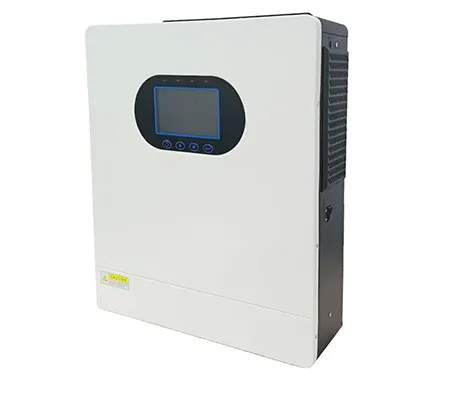
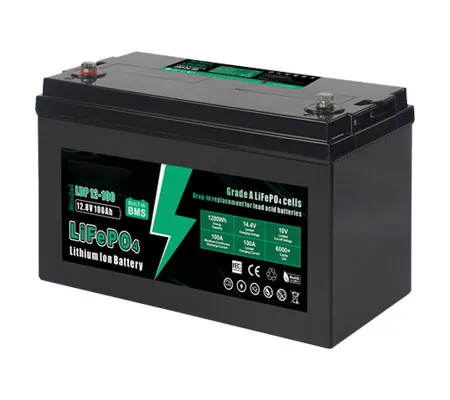
Hybrid inverter installation should be treated as an electrical system design task, not simply as a matter of mounting an inverter and connecting cables. The inverter sits at the center of several energy paths: photovoltaic DC input, battery DC connection, AC grid connection, backup loads, monitoring equipment, and sometimes a generator.
That central position means installation quality affects much more than whether the equipment starts successfully. Correct system design influences voltage stability, battery life, energy yield, protection performance, backup behavior, and long-term serviceability.
For installers and project developers, the most reliable approach is to divide the process into clear technical checkpoints. The project should move from site information to electrical design, from product matching to physical installation, and finally from commissioning to documented handover.
Hootrum hybrid inverter products cover different electrical architectures, including single-phase, three-phase, low-voltage battery, high-voltage battery, and split-phase configurations. The exact installation procedure therefore depends on the selected model and local electrical requirements.
Hybrid inverter installation is the process of integrating a hybrid inverter with PV modules, batteries, AC loads, the utility grid, and protection equipment so that the complete energy system can operate safely and according to its intended control strategy.
The installation normally has six major stages: site assessment, system design, equipment selection, physical installation, electrical connection, and commissioning.
Each stage has a different purpose. Site assessment establishes environmental and electrical conditions. System design determines how the energy sources will interact. Equipment selection confirms compatibility. Physical installation establishes a safe and serviceable hardware layout. Electrical connection establishes the actual energy pathways. Commissioning verifies that the system behaves as intended.
Skipping one of these stages can create problems that only appear later. An inverter may power up successfully while still having an incorrectly configured battery profile, insufficient cable sizing, poorly selected backup circuits, or an unsuitable installation environment.
Before beginning hybrid inverter installation, installers should collect the site's electrical, environmental, solar, battery, and load information because these inputs determine the correct system architecture.
The first group of data concerns the utility supply. Record nominal voltage, phase arrangement, frequency, service capacity, grounding arrangement, and applicable grid connection requirements.
The second group concerns the PV array. The installer needs the number of modules, module electrical characteristics, string arrangement, maximum open-circuit voltage, operating voltage range, current, and expected environmental temperature range.
The third group concerns the battery. Required information includes chemistry, nominal voltage, operating voltage range, maximum charge and discharge current, usable energy, communication method, recommended temperature range, and BMS requirements.
The fourth group concerns loads. Instead of relying only on monthly electricity consumption, the installer should identify peak demand and the startup characteristics of motors, pumps, compressors, HVAC equipment, and other inductive loads.
The fifth group concerns the installation environment. Indoor and outdoor locations have different requirements for temperature, humidity, water exposure, ventilation, access, dust, and physical protection.
Hybrid inverter sizing should be based on instantaneous load demand, PV input requirements, battery power capability, phase configuration, and backup objectives rather than simply matching the inverter's nominal kW rating to monthly electricity usage.
Consider a home with a 5 kW inverter. That number describes rated output power, but the real installation question is whether the inverter can handle the expected simultaneous load and any relevant surge demand. An air conditioner, water pump, refrigerator, and cooking appliance may create short-duration peaks that are much higher than average household consumption.
At the same time, the PV array should be checked against the inverter's permitted PV input voltage and current. Hootrum's products illustrate why this step is necessary. Some models use low-voltage 40–60 V battery systems, while three-phase high-voltage products may support battery ranges from approximately 170 V to 600 V.
The installer should also confirm whether the selected inverter permits oversizing on the PV side. Hootrum's HB3125EH048, for example, is specified with two MPPT channels and PV input that can exceed twice the rated power under its documented design conditions. Such product-specific details must be taken from the exact model documentation rather than generalized across an entire product family.
A hybrid inverter should be installed in a location that provides adequate mechanical support, environmental protection, ventilation, clearance, cable routing space, and service access according to the manufacturer's requirements.
Wall-mounted systems need a structurally appropriate mounting surface. The mounting position should keep the equipment stable while leaving sufficient room for connectors, cable glands, ventilation, and future inspection.
Temperature is another important consideration. Electronic power conversion equipment generates heat during operation, so the installer should avoid locations with direct thermal exposure, excessive ambient temperature, or restricted airflow.
Moisture and dust also matter. Different Hootrum products have different enclosure ratings. For example, selected outdoor-oriented models are listed with IP66 protection, while other models have lower ingress protection ratings. The enclosure rating of the exact inverter must therefore be matched to the environment rather than assumed from the brand or product category.
The location should also allow an installer to disconnect, test, and service the equipment safely. A technically functional location can still be a poor installation location if access is restricted or cable routing creates unnecessary hazards.
PV wiring should be connected according to the inverter's permitted DC voltage, current, polarity, MPPT configuration, connector specification, and string design.
One of the first checks is polarity. Incorrect polarity can result in alarms or equipment damage depending on the system architecture. String voltage should also be calculated under both normal operating conditions and low-temperature open-circuit conditions because module voltage can increase as temperature falls.
The number of strings connected to each MPPT should match the design. When strings are placed on different roof orientations or have materially different operating conditions, assigning them to separate MPPT channels can improve system behavior.
Installers should avoid treating the PV input as a simple positive and negative pair. The actual electrical design involves string voltage, current, conductor size, connectors, disconnect devices, surge protection, grounding, and the inverter's MPPT operating range.
Hootrum's product documentation specifies different PV ranges for different products. For example, one low-voltage hybrid inverter family includes models with MPPT operating ranges extending roughly from 60 V to 430 V, while other products use different voltage windows. The exact datasheet must always control the installation decision.

Battery integration during hybrid inverter installation requires electrical compatibility, correct polarity, adequate protection, appropriate cable sizing, and reliable communication between the inverter and battery management system when communication is required.
The first compatibility check is voltage. A 48 V-class low-voltage battery should not be connected to an inverter designed for a high-voltage battery range. The second check is current. The inverter may be capable of high charge and discharge power, but the battery must be capable of delivering that current under the intended operating conditions.
Battery communication is equally important for lithium-based systems. The inverter may require CAN, RS485, or another communication interface to receive state-of-charge information, temperature data, alarms, and charge or discharge limits from the BMS.
Hootrum supplies battery systems in addition to hybrid inverters, which allows the system design to be evaluated as an integrated energy storage architecture. A complete project review should confirm battery chemistry, voltage, capacity, communication protocol, firmware compatibility, and operating limits before field installation.
For projects using an off grid inverter, battery integration requirements may differ again because the inverter architecture may need to maintain a stable standalone AC output without relying on the utility grid.
The AC side of a hybrid inverter installation determines how the inverter interacts with the grid and which loads can remain energized when the grid is unavailable.
Installers should distinguish between general loads and critical backup loads. Whole-home backup is possible only when the inverter, transfer architecture, service capacity, and battery power support the required load. In many practical installations, selected circuits provide a more realistic and economical backup target.
Critical loads may include refrigeration, communications equipment, lighting, security systems, network equipment, or selected industrial controls. High-power non-essential loads may be excluded to prevent unnecessary battery drain.
The AC design also needs appropriate overcurrent protection, disconnecting devices, grounding, and other equipment required by the local electrical code.
IEC 62109 standards address safety requirements for photovoltaic power conversion equipment, including protection against electric shock, energy hazards, fire, excessive temperature, and other risks. The specific national installation requirements may add further requirements beyond the inverter product standard.
Commissioning is the verification stage in which the installer confirms that the installed hybrid inverter, PV array, battery, grid connection, monitoring system, and configured operating modes function as intended.
The first task is visual inspection. Check mounting, labeling, cable routing, torque documentation, connector condition, protection equipment, grounding, and access clearance.
The next step is electrical verification. Confirm DC polarity, string voltage, battery voltage, AC voltage, frequency, phase sequence where applicable, and the status of protective devices.
After electrical checks, the installer can power the system according to the manufacturer's startup sequence. The configuration should then be reviewed for battery type, battery voltage, charge limits, discharge limits, grid parameters, time-of-use schedules, backup priorities, and monitoring.
Functional tests should include PV generation, battery charging, battery discharging, grid import, grid export where permitted, backup operation where applicable, and alarm handling.
Do not treat successful startup as the end of commissioning. A hybrid inverter is a programmable energy management device, so control behavior needs to be validated as carefully as the electrical connections.
A professional hybrid inverter installation checklist should confirm technical compatibility before equipment is energized and document the final system condition for future service.
| Checkpoint | What to Verify |
|---|---|
| Site | Mounting strength, temperature, ventilation, moisture and access |
| PV | Voltage, current, string design, polarity and MPPT allocation |
| Battery | Voltage, chemistry, current, BMS communication and protection |
| AC Grid | Voltage, phase, frequency, protection and connection requirements |
| Backup Loads | Critical circuits, power demand and transfer architecture |
| Configuration | Operating mode, battery limits, grid parameters and schedules |
| Commissioning | Functional tests, alarms, monitoring and documentation |
This checklist is useful because many installation issues are not caused by one obvious wiring mistake. Problems often occur when multiple design assumptions are not verified together.
Serviceability should be considered during installation because a system that is difficult to inspect today will usually be more expensive to maintain later.
Keep cable routes organized and clearly identified. Record model numbers, firmware versions, configuration parameters, battery information, protection settings, and commissioning results.
Photographs of the final wiring arrangement can also become useful reference material. For commercial sites, keep updated single-line diagrams and equipment schedules so that future technicians can understand the system without repeating the original design investigation.
Hootrum's solar inverter portfolio includes products with different electrical characteristics and application ranges, so keeping exact model information in the project file is essential. A generic description such as “10 kW hybrid inverter” is not sufficient when a system may contain different phase arrangements or battery architectures.
For distributors and installers, a well-documented project also improves technical support. When requesting assistance from Hootrum, the fastest path is usually to provide the exact inverter model, battery model, fault code, operating conditions, and system configuration.
Hybrid inverter installation involves high-voltage DC and AC electrical systems and should be performed by appropriately qualified professionals in accordance with local electrical requirements and the manufacturer's instructions.
Not necessarily. The correct installation location depends on the exact model's environmental rating. Some Hootrum products are designed with higher ingress protection for suitable outdoor applications, while other models require more controlled environments.
No. Battery voltage, chemistry, charge and discharge current, BMS communication, firmware compatibility, and other electrical characteristics must match the inverter's requirements.
The answer depends on the inverter's maximum PV voltage, MPPT voltage range, current limit, maximum PV power, and string design. The number of panels should be calculated from the electrical characteristics of the selected modules and inverter.
It can in certain system architectures, but whole-home backup depends on inverter output capacity, battery power, electrical service design, transfer equipment, and the connected loads. Many installations use a dedicated critical-load panel instead.
At minimum, the installer should verify polarity, voltage, current, grounding, protection devices, battery communication, grid parameters, operating modes, charging and discharging behavior, backup function where applicable, monitoring, and alarm handling.
Successful hybrid inverter installation starts long before the inverter is mounted on the wall. The project should begin with electrical data collection and system design, followed by correct product selection, environmental planning, wiring, battery integration, configuration, and structured commissioning.
The inverter is the control center of the solar-plus-storage system, so every connected component must be compatible with its electrical and software requirements. PV voltage, battery voltage, battery current, phase arrangement, AC protection, backup loads, and environmental conditions should all be verified using the exact model documentation.
Hootrum provides hybrid inverter solutions covering different power classes and electrical architectures for residential and commercial systems. Installers and distributors can improve project efficiency by providing complete technical information during product selection and by keeping detailed commissioning records for future support.
External References
IEC 62109-2:2026 – Safety Requirements for Photovoltaic Inverters
U.S. Department of Energy: Homeowner's Guide to Solar
 English