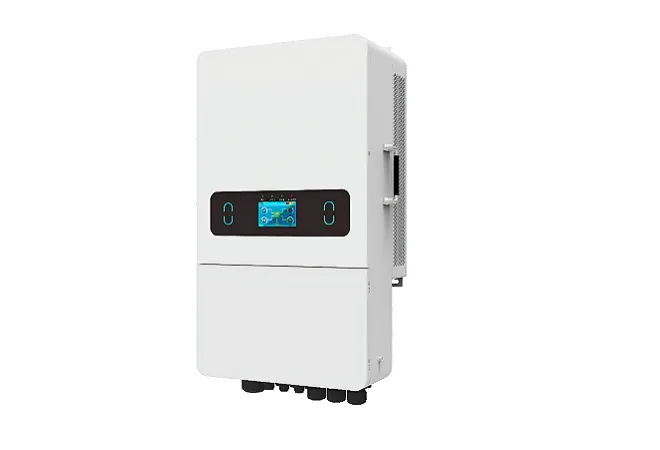
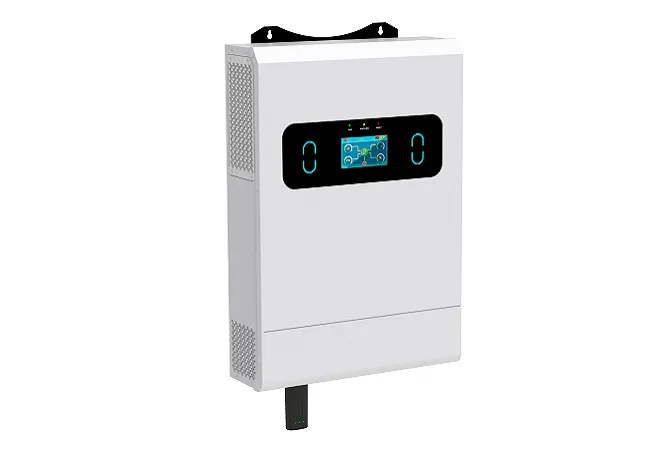
For global solar energy businesses, choosing the right inverter supplier is a decision that goes far beyond product specifications and purchase prices. The manufacturer selected today can directly influence system reliability, installation efficiency, warranty costs, and the long-term competitiveness of your renewable energy solutions.
China has become a major source of solar inverter and energy storage products worldwide, offering a wide range of manufacturers with different levels of technical expertise, production capability, and international market experience. While many suppliers can provide competitive quotations, only manufacturers with strong engineering capabilities, strict quality control, and proven application experience can support stable growth in overseas markets.
When evaluating a Chinese solar inverter manufacturer, professional buyers should focus on several key factors, including inverter technology, battery compatibility, certification standards, manufacturing processes, supply capacity, and after-sales support. A comprehensive assessment helps distributors, EPC contractors, and project developers identify reliable partners while avoiding potential risks caused by inconsistent quality or insufficient technical support.
As a renewable energy solution provider, Hootrum focuses on hybrid inverter and battery storage technologies that support efficient solar energy utilization for residential, commercial, and industrial applications. By combining product innovation with practical project experience, Hootrum helps global partners develop reliable and flexible clean energy solutions.
The solar inverter is one of the most important components in a photovoltaic energy system. Unlike solar panels that mainly generate electricity, the inverter controls energy conversion, power distribution, system monitoring, and interaction between solar generation, batteries, and the electrical grid.
For international buyers, selecting an unsuitable supplier may lead to several long-term challenges, including unstable product performance, complicated warranty claims, delayed technical responses, and difficulties in maintaining customer satisfaction in local markets.
A reliable Chinese manufacturer should provide more than standard products. The supplier should demonstrate:
Professional inverter design and engineering capabilities
Stable manufacturing processes and quality management
Experience with international certifications and regulations
Strong technical support for different application scenarios
Continuous product improvement based on market feedback
For distributors and renewable energy companies planning long-term cooperation, supplier evaluation should focus on the manufacturer's ability to support business growth rather than only the initial purchase cost.
Technical capability is the foundation of inverter reliability. A professional evaluation should include electrical performance, system compatibility, safety design, and intelligent management functions.
Efficiency directly affects the amount of usable electricity generated by a solar system. Modern solar inverters are expected to maintain high conversion efficiency under different operating conditions, including partial loads, high temperatures, and variable solar irradiation.
When comparing manufacturers, buyers should review:
| Technical Parameter | Evaluation Consideration |
|---|---|
| Maximum Efficiency | Higher efficiency improves overall energy yield and reduces conversion losses. |
| MPPT Efficiency | Advanced MPPT technology helps photovoltaic systems capture more available solar energy. |
| Operating Temperature Range | Important for projects installed in hot climates or challenging environments. |
| Power Output Stability | Ensures consistent performance during different load conditions. |
The renewable energy market is increasingly moving toward integrated solar-plus-storage solutions. Hybrid inverters allow solar systems to combine photovoltaic generation, battery charging, grid connection, and backup power management within one intelligent platform.
For buyers targeting residential, commercial, or off-grid applications, battery compatibility is a critical evaluation point. The manufacturer should clearly provide information about:
Supported battery chemistry
Communication protocols such as CAN and RS485
Battery charging and discharging management
Backup power switching capability
Energy monitoring functions
A supplier with strong inverter and storage integration capability can help customers simplify installation processes and reduce compatibility issues during project deployment.
Solar inverter systems operate continuously for many years, often under outdoor conditions with temperature fluctuations and electrical stress. Therefore, protection design is essential for long-term reliability.
Professional manufacturers should consider:
Over-voltage protection
Over-current protection
Short-circuit protection
Thermal protection
Grid monitoring protection
Anti-islanding protection
These features help improve system safety and reduce maintenance requirements throughout the product lifecycle.
A manufacturer's production capability reflects its ability to deliver consistent quality, stable supply, and reliable technical support. Before cooperation, global buyers should evaluate factory capability instead of relying only on product catalogs or sales presentations.
Key manufacturing evaluation areas include:
| Manufacturing Area | Why It Matters |
|---|---|
| Production Equipment | Advanced manufacturing equipment improves consistency and production efficiency. |
| Quality Control System | Multiple inspection processes help reduce defective products. |
| Aging Testing | Long-duration testing identifies potential performance issues before shipment. |
| Engineering Team | Professional engineers support customization and technical problem solving. |
| Supply Capacity | Ensures stable delivery for distributors and large-scale projects. |
Experienced buyers should also request information about factory inspection procedures, product testing standards, and production traceability. These details provide a clearer understanding of whether a supplier can support long-term cooperation.
Certification compliance is essential when importing solar inverter products into international markets. Different countries and regions have different requirements regarding electrical safety, grid connection, and environmental standards.
Common certifications and standards include:
IEC international safety standards
CE certification for European markets
RoHS environmental compliance
Regional grid connection requirements
Professional manufacturers should be able to provide complete technical documentation, including test reports, installation manuals, product specifications, and compliance certificates.
For global buyers, certification capability is also an indicator of the manufacturer's international market experience. Suppliers familiar with overseas regulations can usually provide smoother cooperation and faster project support.
For global buyers, understanding the difference between a manufacturer and a trading company is essential before establishing a supply partnership. Although trading companies may provide access to multiple products, direct cooperation with a professional manufacturer usually offers stronger technical support, better quality control, and more flexible customization options.
A qualified solar inverter manufacturer typically manages product development, engineering optimization, production testing, and quality inspection internally. This allows buyers to communicate directly with technical teams and receive faster solutions when facing application challenges.
| Comparison Factor | Manufacturer | Trading Company |
|---|---|---|
| Product Development | Direct involvement in inverter design and technology improvement | Usually depends on third-party factories |
| Customization Capability | More flexible for firmware, functions, and packaging requirements | Limited customization options |
| Quality Control | Controls production processes and testing procedures | Quality depends on external suppliers |
| Technical Support | Direct communication with engineers | Requires communication through intermediaries |
| Long-Term Cooperation | Suitable for distributors and project partners | More suitable for short-term purchasing |
For companies planning continuous imports, expanding distribution networks, or developing renewable energy projects, working directly with a professional solar power inverter company can provide better control over product quality, technical communication, and supply chain stability.
Price comparison is often the first step when sourcing solar products from China, but professional buyers understand that the lowest quotation does not always represent the best value. A reliable supplier should provide a balance between product performance, manufacturing capability, service quality, and long-term cooperation potential.
When comparing suppliers, buyers should evaluate the following areas:
| Evaluation Category | Key Questions |
|---|---|
| Technical Capability | Does the supplier provide advanced inverter technology and application solutions? |
| Manufacturing Experience | Does the company have stable production capacity and quality management? |
| Product Portfolio | Can the supplier provide hybrid inverter and energy storage solutions? |
| Market Experience | Does the supplier understand international standards and customer requirements? |
| After-Sales Support | Can the supplier provide technical assistance after installation? |
A professional evaluation process helps buyers identify reliable solar inverter suppliers that can support long-term business development rather than only one-time transactions.
The global renewable energy industry is moving from simple solar generation toward intelligent energy management. As electricity prices increase and grid stability becomes a concern in many regions, energy storage has become a key part of modern photovoltaic systems.
Hybrid inverters provide an integrated solution by managing energy flow between solar panels, batteries, electrical loads, and the grid. Compared with traditional grid-connected inverters, hybrid systems offer greater flexibility for users who require energy independence or backup power capability.
Key advantages of hybrid inverter systems include:
Higher utilization of generated solar energy
Reduced dependence on grid electricity
Backup power availability during outages
Flexible battery charging and discharging management
Better control of energy consumption patterns
For distributors and installers, suppliers capable of providing complete hybrid inverter solutions can help simplify system design and improve project competitiveness.
Battery storage is becoming an essential component of modern solar energy systems. Instead of sending all excess solar power back to the grid, energy storage allows users to save electricity and use it when demand is higher or solar generation is unavailable.
When evaluating a storage solution, buyers should consider:
| Battery Evaluation Factor | Importance |
|---|---|
| Battery Chemistry | Lithium iron phosphate (LiFePO4) technology offers strong safety and long cycle life. |
| Cycle Life | Determines long-term economic performance. |
| Safety Protection | Ensures stable operation under different environmental conditions. |
| Communication Compatibility | Allows smooth interaction between inverter and battery management systems. |
| Scalability | Supports future system expansion when energy demand increases. |
For customers looking for integrated solar and storage solutions, choosing a supplier with both inverter expertise and battery technology experience can significantly improve system reliability. A complete solar battery energy storage system should provide efficient energy management, reliable safety protection, and seamless compatibility with renewable energy applications.

Hootrum focuses on the development and supply of renewable energy solutions, including hybrid inverter technology and battery storage systems designed for global markets. The company works with distributors, installers, and project developers who require reliable products and professional technical support.
Unlike suppliers that only focus on product delivery, Hootrum emphasizes complete energy solutions by combining inverter technology, battery integration, and practical application experience.
Hootrum's product advantages include:
Hybrid inverter solutions for flexible energy management
Battery storage products designed for modern solar applications
Support for residential and commercial energy projects
Focus on product reliability and system compatibility
Professional cooperation support for international partners
For overseas customers, a reliable renewable energy partner should understand both product technology and market requirements. Hootrum continues to improve its solutions to help global partners deliver efficient and dependable solar energy systems.
Before confirming a large-scale purchase, buyers should complete a detailed supplier verification process. This reduces risks related to product quality, delivery schedules, and technical support.
A recommended evaluation checklist includes:
Reviewing product specifications and technical documents
Confirming certification requirements for the destination market
Requesting product samples or pilot project testing
Understanding warranty policies and service procedures
Checking production capacity and delivery capability
Evaluating communication efficiency with the supplier team
Successful international cooperation depends not only on the product itself but also on the manufacturer's ability to provide continuous support throughout the product lifecycle.
When selecting a Chinese solar inverter manufacturer, buyers should evaluate technical capability, product certifications, manufacturing processes, quality control systems, warranty policies, and after-sales support. A reliable manufacturer should provide stable products, professional documentation, and long-term cooperation support rather than focusing only on competitive pricing.
Many Chinese solar inverter manufacturers have developed strong global capabilities through advanced production technology, international certifications, and extensive project experience. However, reliability varies between suppliers, so buyers should verify factory capability, product testing procedures, and customer support before cooperation.
The required certifications depend on the destination country and application environment. Common requirements include IEC standards, CE certification, RoHS compliance, and local grid connection approvals. Buyers should confirm certification requirements before importing products to avoid delays during installation and approval processes.
A traditional solar inverter mainly converts electricity generated by photovoltaic panels into usable AC power. A hybrid inverter provides additional functions by managing solar generation, battery storage, grid power, and backup energy together. This makes hybrid inverters more suitable for modern energy systems requiring flexibility and energy independence.
Buyers can verify a supplier by reviewing factory information, production equipment, quality control procedures, engineering teams, certifications, and previous project experience. Direct communication with technical staff and requesting product testing documentation are also effective methods for evaluating manufacturing capability.
Battery compatibility affects system efficiency, safety, and future expansion capability. A well-designed inverter should communicate effectively with battery management systems and support stable charging and discharging performance. This is especially important for solar-plus-storage projects where reliable energy management is required.
Choosing a solar inverter manufacturer in China requires a comprehensive evaluation of technology, manufacturing capability, certification compliance, and commercial reliability. For global buyers, the right supplier should not only provide competitive products but also demonstrate strong engineering capability, consistent quality control, and dependable long-term support.
As renewable energy markets continue to expand, hybrid inverter and battery storage technologies are becoming increasingly important for improving energy independence and system flexibility. Businesses that select experienced manufacturing partners can reduce project risks, improve customer satisfaction, and build stronger market competitiveness.
Hootrum continues to focus on developing reliable solar inverter and energy storage solutions for global customers. By combining product innovation, quality management, and application-focused support, Hootrum helps distributors, installers, and renewable energy developers create efficient and sustainable power solutions.
 English