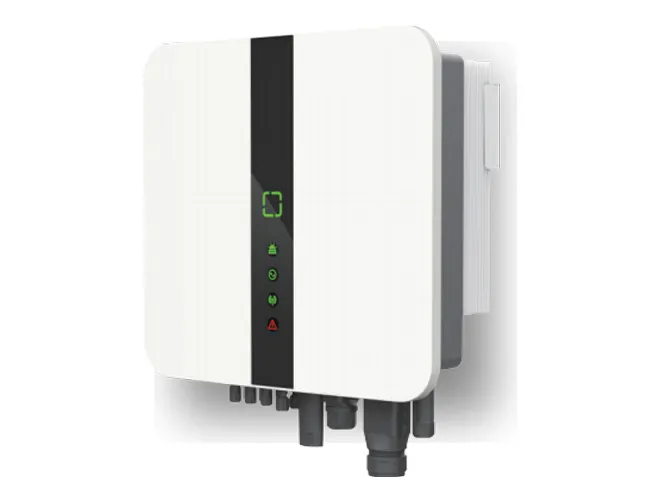
This three-phase high-voltage 3 phase hybrid solar inverter is developed for the European market, serving as a comprehensive home smart energy hub. Through highly integrated design and intelligent management, it seamlessly combines power generation, energy storage, and electricity consumption, delivering unprecedented energy autonomy, safety, and economic benefits.
Three Phase Hybrid Inverter
12KW, 380/400Vac, 50Hz/60Hz, 170V-600V Battery
High Voltage inverter


High-Efficiency
Powered by SiC
100% 3-phase unbalanced Output
Compatible with multiple battery brands, internet
Easy & Convenient
4 Integrations:
PVInverter, PCS, EMS, EPS
3 Connections:
Battery, EV Charger, Generator
Safe & Reliable
IP66 Protection
AI-Powered AFCI Protection
Less than 1Oms Switching Time
MODEL | HY12K-3PH-EU | ||
PV Input | |||
Max. Input Power | 15000W | ||
Max. Input Voltage | 1000V | ||
Rated Input Voltage | 650V | ||
Start-up Input Voltage | 180V | ||
MPPT Operating Voltage Range | 200V~950V | ||
Max. Input Current per MPPT | 14A/ 28A | ||
Max. Short-circuit Current per MPPT | 7A/34A | ||
No. of MPP Trackers | 2 | ||
No. of Strings per MPP Tracker | 1 / 2 | ||
Battery Data | |||
Battery Type | Li-ion | ||
Battery Voltage Range | 170V~600V | ||
Max. Charge / Discharge Current | 30A/ 30A | ||
Rated Power | 10000W | ||
Communication Interface | CAN, RS485 | ||
Compatible Battery | Sunwoda, Pylontech, ACSUHO, CESC | ||
AC Input and Output (On Grid) | |||
Rated Output Power | 12000W | ||
Max. Output Apparent Power | 12000VA | ||
Max. Input Apparent Power | 16000VA | ||
Rated Grid Voltage | 3L / N / PE, 380V / 400V | ||
Rated Grid Frequency | 50Hz / 60Hz | ||
Max. Output Current (per phase) | 17.4A | ||
Max. Input Current (per phase) | 24.2A | ||
Power Factor | ~1 (Adjustable from 0.8 leading to 0.8 lagging) | ||
Total Harmonic Distortion, THDi | <3% | ||
Backup Output (Off Grid) | |||
Rated Output Power | 12000W | ||
Peak Output Apparent Power,10s | 16000VA | ||
Switch Time | <10ms | ||
Rated Grid Voltage | 3L / N / PE, 380V / 400V | ||
Rated Grid Frequency | 50Hz / 60Hz | ||
Max. Output Current (per phase) | 17.4A | ||
Total Harmonic Distortion, THDv | <3% | ||
Efficiency | |||
Max. Efficiency | 98.0% | ||
Euro Weighted Efficiency | 97.3% | ||
Max. Battery Discharge Efficiency | 97.0% | ||
Standard Compliance | |||
Grid Regulation | EN 50549-1, VDE-AR-N 4105, NA/EEA-NE7-CH2020,G98,G99,PPDS:2022, NC RfG | ||
Safety Regulation | IEC/EN 62109-1, IEC/EN 62109-2 | ||
EMC | IEC/EN 61000-6-1, IEC/EN 61000-6-3 | ||
General Data | Protection & Feature | ||
Dimensions (W x H x D) | 514 x 496 x 205mm | DC Reverse Polarity Protection | Yes |
Weight | 30kg | PV String Current Monitoring | Yes |
Installation | Wall-mounted | Insulation Resistor Monitoring | Yes |
Operation Temperature | -25°C ~ +60°C (> 45°C Derating) | Residual Current Monitoring | Yes |
Operation Humidity | 0~95% RH, No Condensing | Ant-islanding Protection | Yes |
Protection Degree | IP66 | AC Overcurrent Protection | Yes |
Max. Operating Altitude | 4000m | AC Short-circuit Protection | Yes |
Cooling Method | Natural Convection | AC Overvoltage Protection | Yes |
Noise Emission | <40dB | DC Circuit | Yes |
Topology | Transformerless | Surge protection Device, SPD | DC Type II / AC Type III |
Display | LED indicator, APP | Arc fault circuit interrupter, AFCI | Optional |
Signal Input and Output | DRM, 1×DI, 2×DO | Rapid shutdown, RSD | Optional |
Standby Consumption | <15W | ||
Q: How do I size the right three-phase inverter for my commercial building or factory?
A: Proper sizing depends on your load profile, solar irradiation, and energy goals. Our technical team can provide a free preliminary system design. Key factors include your daytime energy consumption, the need for backup power, and available roof space for PV arrays.
Q: What is the typical Return on Investment (ROI) period for a system with your three-phase inverter?
A: ROI depends on local electricity rates, solar resources, and usage patterns. Typically, our commercial clients see a payback period of 3-5 years. The inverter enables significant savings through peak shaving (reducing high demand charges) and maximizing solar self-consumption, slashing your operational expenditure.

 English