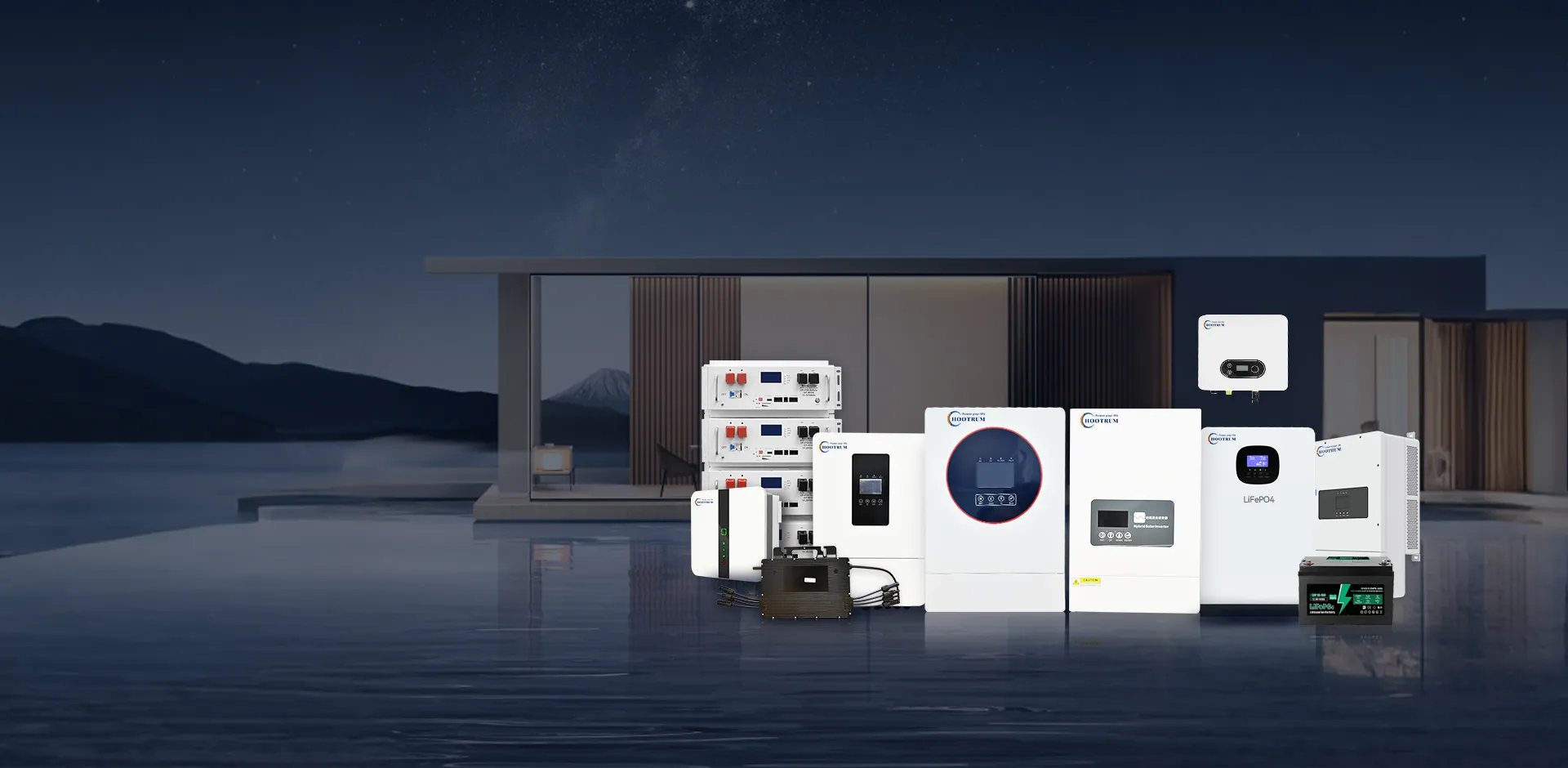
Colorful touch LCD, IP65 and IP21 Optional
AC couple to retroft existing solar system
Max. 16 pcs parallel for on-grid and off-grid
Operation, Support multiple batteries paralle
Max. charging/discharging current of 190A
6 time periods for battery charging/discharging
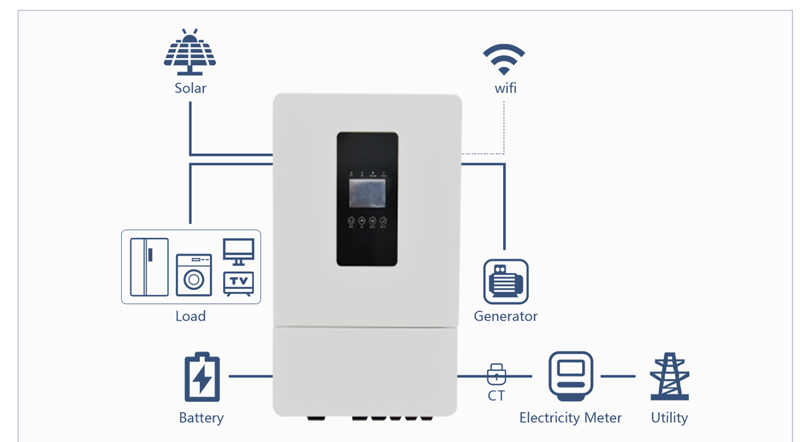
Support storing energy from diesel generator
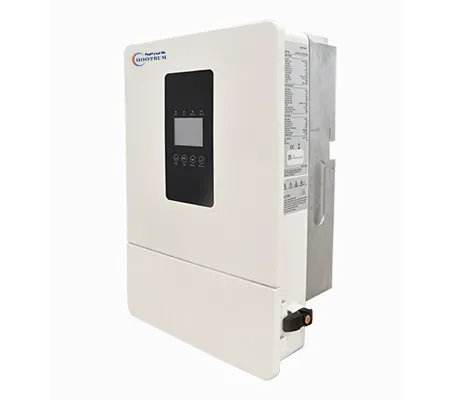

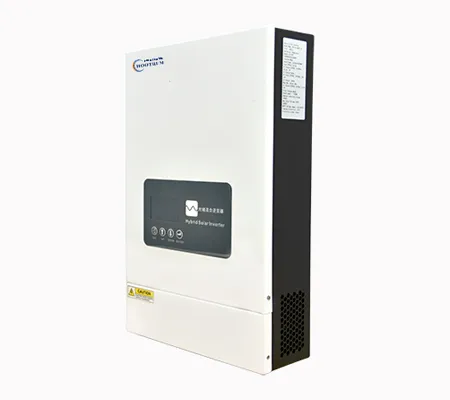
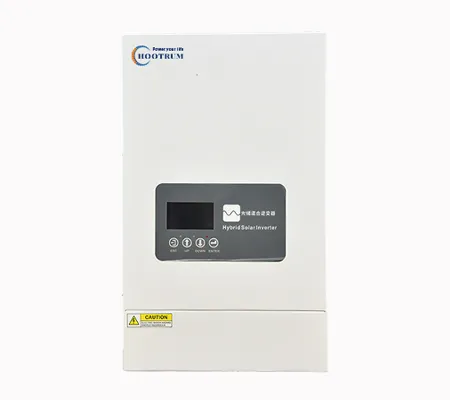
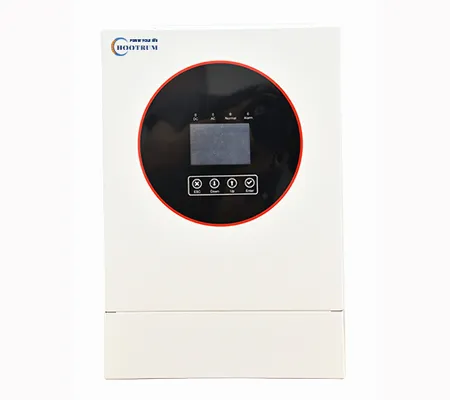
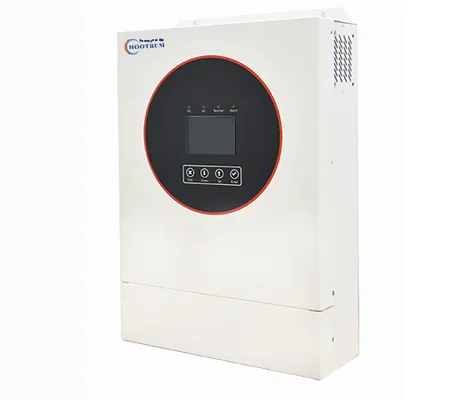
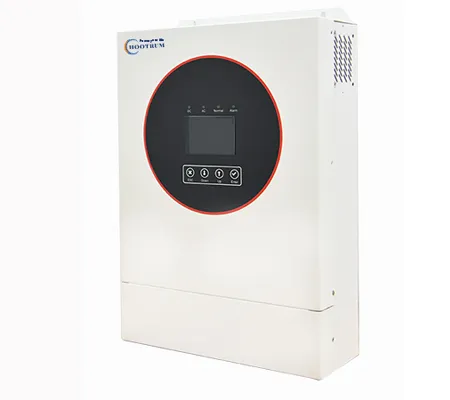

A single-phase hybrid inverter is the ideal choice for the vast majority of residential homes and small businesses because it matches the standard single-phase electrical grid that powers them. Most homes use a single-phase power supplysupply—a single, consistent stream that aligns seamlessly with the capabilities of the single phase hybrid inverter, effortlessly meeting the energy needs of standard household appliances like Refrigerators, Lights, TVs, Air conditioners.
Intelligent Workflow of Hybrid Inverters: Hybrid inverters are the "smart brain" of modern home and commercial energy storage systems, cleverly coordinating the flow of energy between photovoltaic components, batteries, the grid, and household loads, achieving self-generation and self-consumption, peak shaving, valley filling, and emergency backup power—core capabilities that top hybrid inverter manufacturers prioritize to meet diverse user needs. As a flagship solution for single-phase electrical grids, the single phase hybrid inverter optimizes energy distribution with precision, and its core workflow can be summarized into the following four intelligent modes:
1. Sunlight Mode: Solar Priority, Self-Consumption. When sunlight is abundant, the system prioritizes the use of clean solar energy.
Photovoltaic Generation: Solar panels convert light energy into direct current (DC).
Inversion Conversion: The hybrid inverter converts DC into alternating current (AC), prioritizing power supply to all household electrical devices.
Surplus Charging: If power generation exceeds household consumption, the surplus energy is not wasted but automatically used to charge the battery energy storage system, storing energy.
Value: Greatly reduces daytime electricity costs and maximizes direct utilization of solar energy.
2. Nighttime/Rainy Mode: Battery Power, Off-Grid Operation. When there is no sunlight (at night or on rainy days), the system automatically switches to battery power.
Smart Switching: The hybrid inverter detects insufficient solar power generation and seamlessly switches to battery power mode.
Battery Discharge: The DC stored in the battery is converted to AC by the inverter, continuing to power household loads.
Value: Fully utilizes the green electricity stored during the day, further reducing electricity purchased from the grid, achieving 24-hour clean electricity usage.
3. Peak-Valley Mode: Peak Shaving, Economic Energy SavingIn regions with time-of-use electricity pricing, the system maximizes electricity cost savings through intelligent settings.
Off-Peak Charging: During low-cost off-peak hours (such as late at night), the system automatically draws power from the grid to charge the battery.
Peak Discharge: During high-cost peak hours (such as in the evening), the system automatically prohibits purchasing electricity from the grid at high prices, instead using the low-cost energy stored in the battery for power supply.
Value: Saves electricity costs by utilizing price differences, resulting in higher return on investment.
4. Backup Power Mode: Grid Interruption, Emergency Power Supply. When the grid suddenly goes down, the hybrid inverter demonstrates its irreplaceable value.
Millisecond Switching: In the event of a grid fault, the inverter automatically disconnects from the grid (islanding protection) and immediately activates the backup power function.
Forming a Microgrid: Using the energy from solar and the battery, it continues to power key household loads (such as refrigerators, lighting, routers, etc.), ensuring basic living conditions are not affected.
Value: Provides uninterrupted power supply, dealing with unexpected power outages with peace of mind.

 English