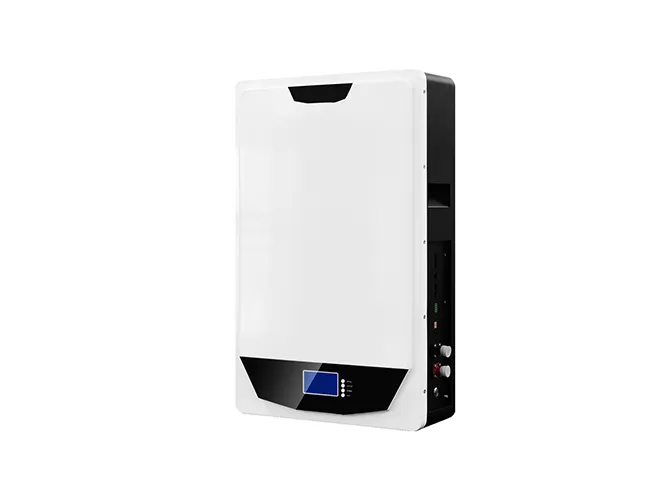
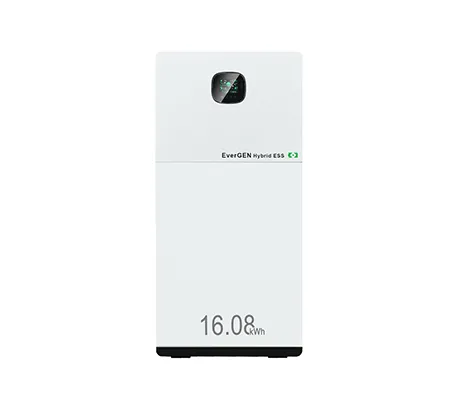
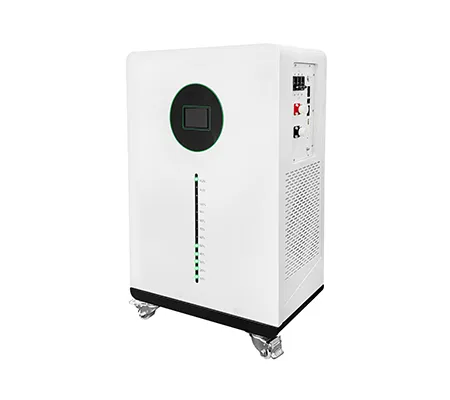
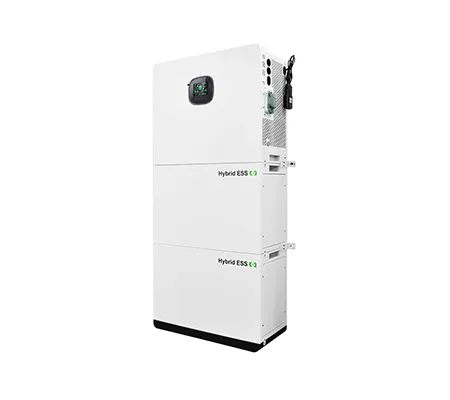
Enhanced three-level safety design: built-in Grade A LiFePO₄ cells, smart BMS, and independent physical aerosol fire extinguishers to ensure ultra-high system safety
Fully insulated internal structure made of flame-retardant materials to prevent short circuits, leakage, and fire risks
Unique shield-style shell design, both elegant and secure
Excellent deep cycle performance: ≥8000 cycles
Long service life: 15+ years design life with 5-year warranty
Certified safety and quality: IEC 62619, UN38.3, CE, RoHS approved


Model | Voltage (V) | Capacity (Ah) | Energy (Wh) | Charge Voltage (V) | Max. charge current (A) | Max. discharge current (A) | Dimension( mm) | ||
Width | Depth | Height | |||||||
EP-48200W | 48/51 .2 | 200 | 9600/10240 | 54/57 .6 | 100 | 100 | 780 | 490 | 175 |
Battery type | LiFePO4 (Lithium iron phosphate battery) | |
Battery Model | EP-48200W | |
No. Of Cells In Series | 15 | 16 |
Norminal Voltage | 48V | 51 .2V |
Norminal Capacity | 200Ah | |
Norminal Energy | 9 .6kWh | 10 .24kWh |
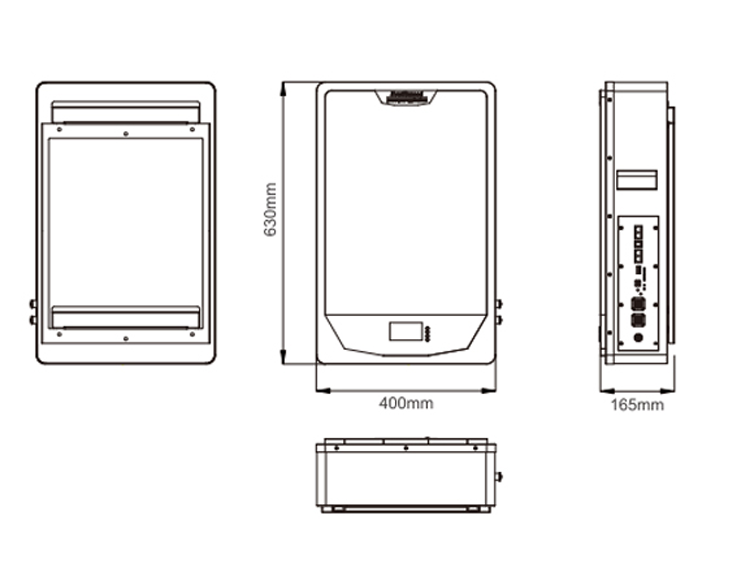
Dimension (H x W x D) | 780*490* 175 mm | |
Weight | 83kg | 91kg |
Boost Charge Voltage (Charging Method: CC-CV) | 54V | 57 .6V |
Float Charge Voltage | 54V | 57 .6V |
Discharge Cut-off Voltage | 40 .5V | 43 .2V |
Recommended Charge Current | 50A | |
Max Discharge Current | 100A 100A | |
Working Temperature Range | Discharge: -20℃ to +60℃ Charge: 0℃ to +45℃ Storage: -20℃ to +60℃ | |
Cycle Life | ≥ 6000 cycles @ 80%DOD @ 25℃ | |
Communication | RS485 / RS232 / CAN | |
Compatible Inverter | SMA, SolarEdge, Sungrow, Victron Energy, Schneider, Growatt, Hootrum, Ginlong, Sofarsolar, SolaX, East, Deye, Voltronic, etc. | |
Safety Standard | IEC62619 , CE , UN38 .3 | |
Design Life | 15+ Years @ 25℃ | |
1. Saving bill with PV
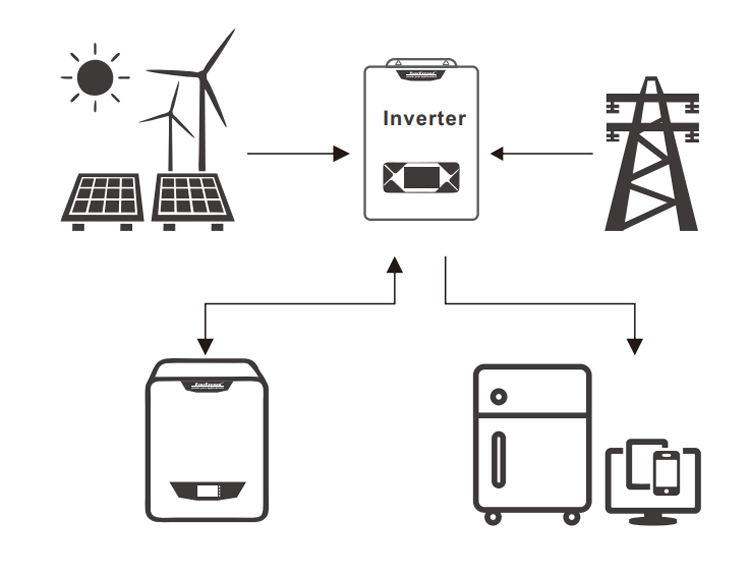
In the daytime, the PV will power to the load and store the excess power in the batteries. In the evening, use the power from the batteries to power the load. This intelligent cycle is the core value proposition offered by leading residential battery storage manufacturers.
2. Ensure uninterrupted power supply
When there is no PV and the grid power failure, lithium battery will take the load, to ensure uninterrupted power supply as power system.
3. Peak-to-valley spread arbitrage
Storing capacity on batteries when tariffs low using battery capacity when tariffs peak.
Save on peak rate costs.

 English